Teaching Philosophy
What a Wonderful World
I believe the classroom should be a safe and welcoming space for language learners to develop communication and 21st Century skills, receive support, and find community. For more than 15 years, my English language teaching and instructional design experiences have focused on higher education, adult education, educational technology, and teacher training. What a Wonderful World’s lyrics poetically summarize my beliefs and practices as an educator and curriculum developer.
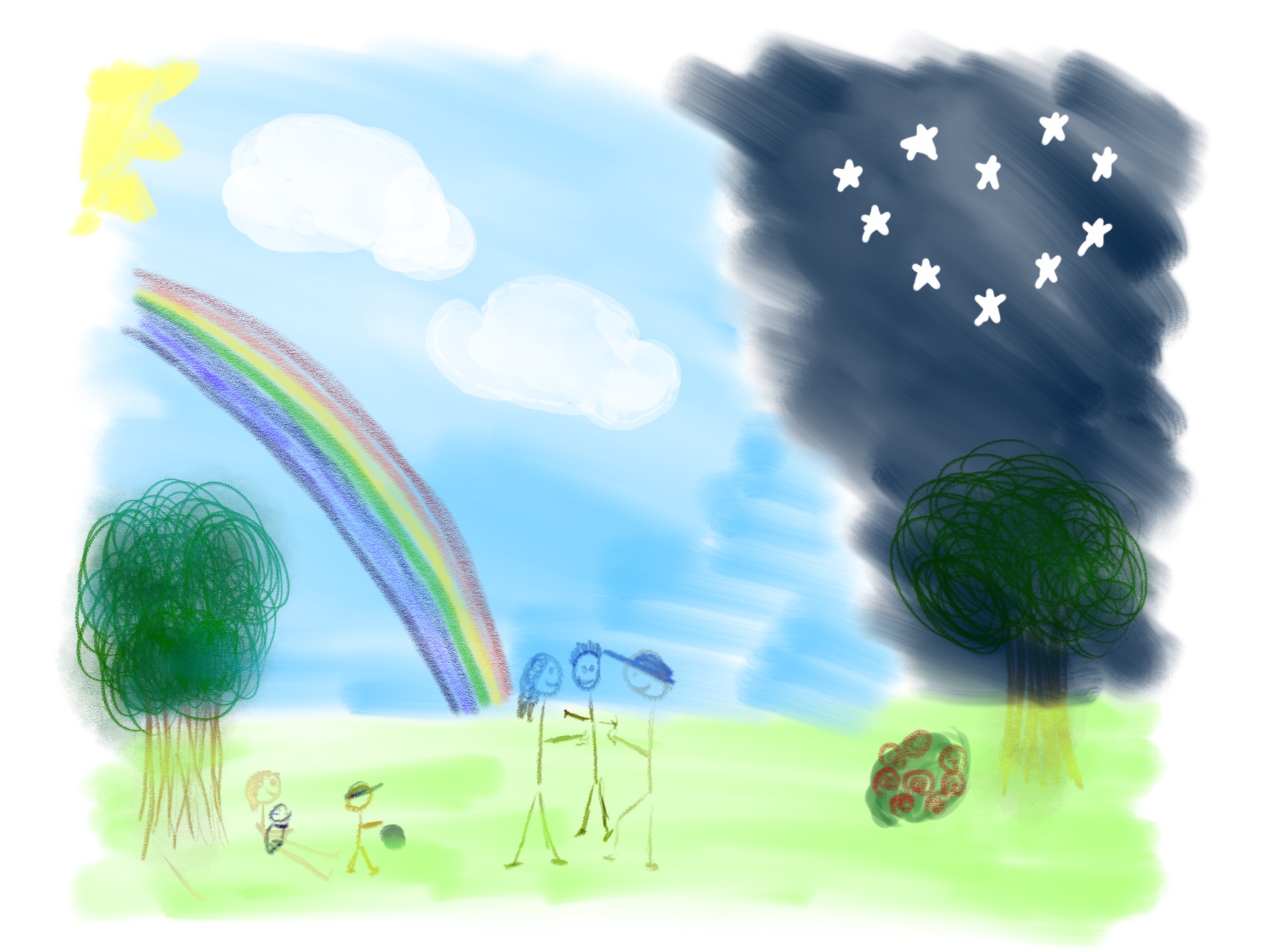
“I see trees of green, red roses too; I see them bloom for me and you; And I think to myself what a wonderful world”
Education is a universal human right and should be accessible and fair to all. The ideals of the American Dream should not be confined to geographic borders. I do not teach English as a political statement but to support individuals in their pursuits of academic, personal, and professional goals. I recognize that learners have different learning styles and motivations; therefore, I design and incorporate multimodal activities and assessments to meet learners’ needs, apply Universal Design for Learning principles, and encourage individuals to reach targeted learning outcomes.
“I see skies of blue and clouds of white; The bright blessed day, the dark sacred night; And I think to myself what a wonderful world”
I know firsthand that learning a second language and living in an unfamiliar environment is challenging. The ability to communicate empowers people. In addition to teaching language and digital skills, I strive to foster a sense of belonging, increase engagement, and promote student-centered learning. Learning spaces are changing; therefore, I adapt my instruction and assessments to be effective for each group of learners and the environment (i.e., face-to-face, hybrid, and online classrooms). I use authentic materials and incorporate communicative, task-based, and experiential learning whenever possible. I have seen that these teaching practices and techniques contribute to skill development. Recognizing that each learner is unique and has strengths, improvement areas, and needs, I work with my students and celebrate their successes.
“The colors of the rainbow so pretty in the sky; Are also on the faces of people going by; I see friends shaking hands saying how do you do; They’re really saying I love you”
Early in my career, I saw the beauty that building community and relationships had in an adult immigrant and refugee class. Since then and especially teaching through the recent global pandemic, I have strengthened classroom communities through Social Emotional Learning and trauma-informed teaching/learning practices. Instead of building walls and creating societal discord, we need to respect diversity and share what makes us human. Everyone has a story to tell and a voice to hear. Incorporating linguistic and cultural backgrounds and sharing personal journeys enhance the learning experience and promote intercultural understanding.
“I hear babies crying, I watch them grow; They’ll learn much more than I’ll ever know; And I think to myself what a wonderful world; Yes I think to myself what a wonderful world”
I passionately believe that educational technology, when applied with pedagogical reasoning and best practices, can create transformative language learning and teaching experiences. Additionally, there are new generations of students that have never known life without a digital presence. In addition to connecting with my learners, e-learning integration has many benefits. Therefore, I design and develop e-learning experiences that are innovative, interactive, and engaging to equip language learners with tools to reach their goals and improve their language and digital skills. Although I delight in being a life-long learner, my learners constantly inspire me to continue my educational journey.
Reference:
Thiele, B. & Weiss, G. D. (1967). What a wonderful world [Recorded by L. Armstrong]. On What a wonderful world [Single, 7″]. New York, NY: ABC 10982. (August 16, 1967)

What a Wonderful World is also a fantastic teaching resource. Click here for a free pdf booklet with lesson plans and activities inspired by the song.
 Kir Stauffer